Mekedatu to overwhelm Karnataka forests worth Rs 81.6 billion
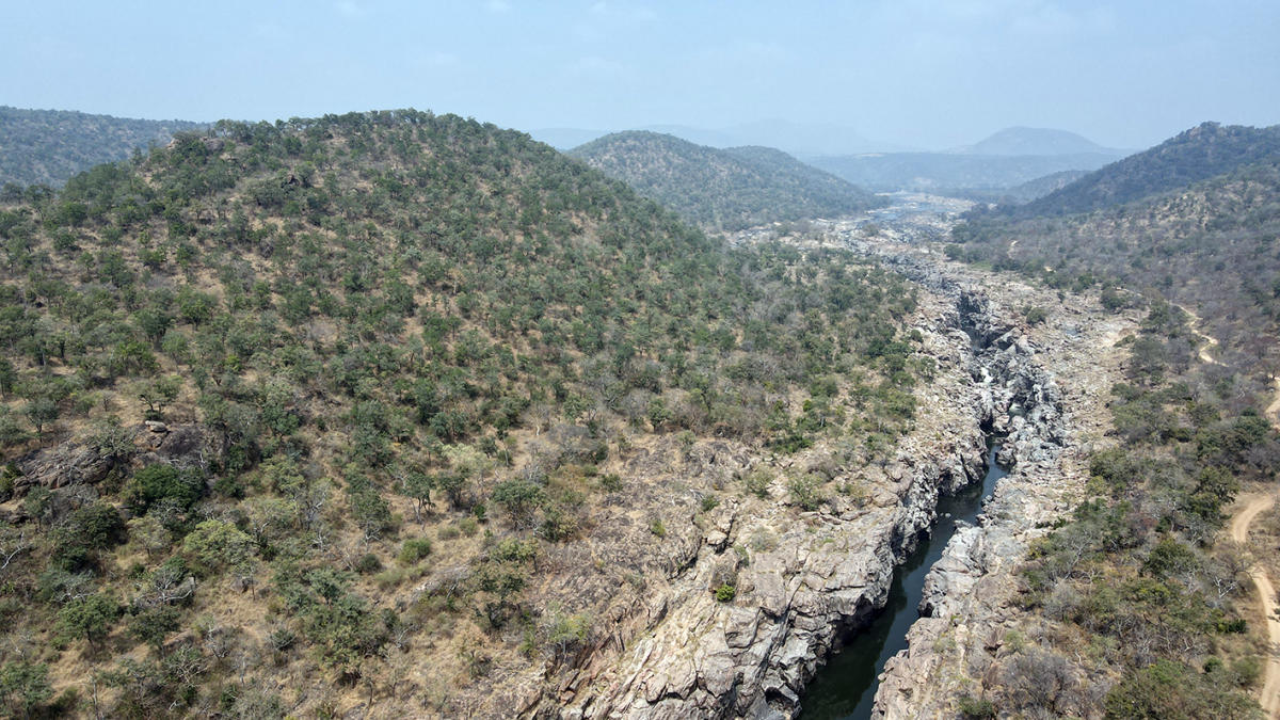
Karnataka may be determined to carry out the Mekedatu project, but the state government may be unaware of what it stands to lose in terms of the economy.
The reservoir project will submerge more than 52 km² of forests. According to ecologists from the Indian Institute of Science (IISc), Karnataka is expected to lose forests worth around “Rs 81.60 billion”.
The first-ever analysis of the economic value of forest resources by the IISc shows that each hectare of forests in Karnataka is worth Rs 6.56 lakh per year. The estimate was made in line with the United Nations Natural Capital Accounting and Valuation of Ecosystem Services (NCAVES) project launched in 2017 to improve the measurement of ecosystems and their services (physical, monetary).
Read also | Will ensure that Karnataka does not continue the Mekedatu project: TN
The project has been piloted in five countries rich in natural capital and biodiversity, including India, which is part of the System of Environmental-Economic Accounting (SEEA) framework. Karnataka was the only state in the country where the analysis was carried out by environmentalists.
Chief Minister Basavaraj Bommai had in fact ordered the forest department in September 2021 to estimate natural resource losses and the total deficit, with the promise to address this deficit in the form of a “green budget”.
Dr. TV Ramachandra, scientist and coordinator of the energy and wetlands research group at the IISc Center for Ecological Sciences, who led the team, told DH that Karnataka had been chosen for the global project. as there was already a similar estimate done by his team of researchers from Uttara Kannada district.
Read also | Dam of discord: Mekedatu opens the floodgates of a major interstate conflict over water
“Initially, the UN wanted the study to be conducted in 10 districts of Karnataka. But we ended up doing it for all districts. The services of any forest ecosystem are valued considering the provisioning, regulation and cultural significance of forests,” Ramachandra explained.
While provisioning services include any benefit to humans that is directly extracted from nature, such as food, timber, and fuel, regulating services include benefits provided by the ecosystem to assist natural phenomena such as carbon sequestration, water purification, climate regulation and flood control. Cultural services are recreational and spiritual experiences.
“A total of 48.35 km2 (4,835 hectares) of forest land (approximately 3,000 hectares in Cauvery Wildlife Sanctuary) is expected to be directly affected. If you extrapolate the results based on annual ecosystem services, the NPV (net present value) of the forests that will be submerged for the Mekedatu project is worth Rs 81.60 billion including ecosystem services worth Rs 27.30 billion ( supply), Rs 41.19 billion (regulation) and Rs 13.11 billion (cultural),” he said.
Also Read: Mekedatu: Karnataka Assembly passes resolution and calls for quick release
He added that the whole forest acts like sponges helping the percolation of rainwater. “During the monsoon, the region helps recharge 80 to 100 TMC of water,” he pointed out. If the government is keen to go ahead with the disastrous project, it must pay ecological compensation of Rs 85-100 billion to the Karnataka Forest Department (KFD), which is the total NPV of the forest to be submerged based on of annual production. ecosystem services.
The team of researchers found it ironic that the state government is spending Rs. rupees (VAN) and helps to retain 100 TMC. of water each year.
“The viable alternative to avoid this possible catastrophe is to harvest rainwater in Bangalore. The city receives 750-850mm of rainfall annually, which alone is 15 TMC of water. We need about 18 TMC of water per year With rainwater harvesting and sewage treatment, the city will have more than 30 TMC of water, which is the best and most economical option. invest in lake rejuvenation and decentralized wastewater treatment options rather than destroying 5,000 hectares of ecologically and hydrologically vital forests,” the researchers said.
Watch the latest DH videos here: