Sri Lanka: Crisis-hit Sri Lanka lifts state of emergency: Key developments
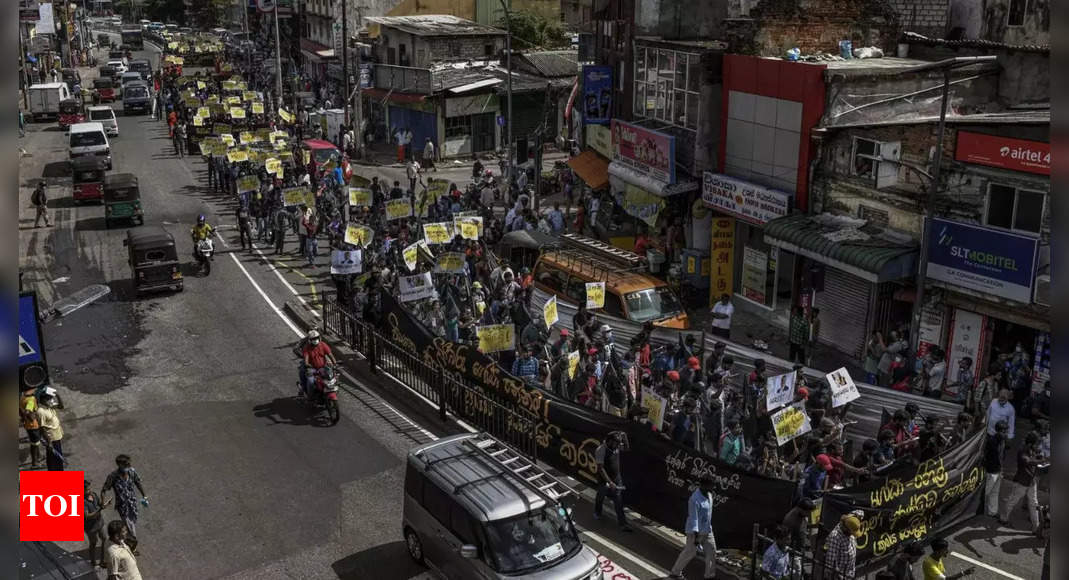
Sri Lankan President Gotabaya Rajapaksa had declared a state of emergency from midnight on May 6, the second time in just over a month amid growing anti-government protests across the country over the economic crisis.
The presidential secretariat said the state of emergency was lifted effective Friday midnight, Hiru News reported.
This decision was made with the improving law and order situation in the island nation.
The state of emergency gave police and security forces the power to arbitrarily arrest and detain people.
The president’s decision to declare an emergency came amid weeks of protests demanding his resignation and the government, accusing the powerful Rajapaksa clan of mismanaging the island nation’s economy, already hit by the pandemic.
Here are the main developments:
Protesters remain wary
Protesters in Sri Lanka oppose a president they accuse of bringing down the economy.
Hundreds of student protesters continued their call for the resignation of President Gotabaya Rajapaksa, they were met with tear gas and water cannons from the police. They endured this, and an ensuing monsoon shower, adding loudspeakers to amplify their chants and speeches expressing their anger at the government.
University students march on walled government areas in Colombo, Sri Lanka, where police used tear gas and water cannons to disperse them (NYT photo)
Sri Lanka’s central bank has confirmed that the country, which has borrowed tens of billions of dollars over the years to meet the needs of a bloated system, has officially defaulted on its external debt.
Anger grew across the country as families endured long queues for fuel, prolonged power outages and shortages of food and medicine.
Nine people have been killed and more than 200 injured in clashes between pro and anti-government protesters.
India and Japan to provide relief worth millions as threat of severe food shortage looms
India and Japan will provide food relief worth millions of dollars to Sri Lanka which is grappling with its worst economic crisis, sparking nationwide protests against government mismanagement.
The Indian High Commission said an Indian ship loaded with emergency relief supplies like rice, medicine and powdered milk for people in crisis-hit Sri Lanka is expected to reach Colombo on Sunday.
Tamil Nadu’s Chief Minister, MP Stalin, left the ship loaded with relief supplies, the first to be sent to Sri Lanka, from Chennai on Wednesday.
Japan also announced that it would provide $1.5 million through a World Food Program (WFP) program for essential food rations and the school meals programme.
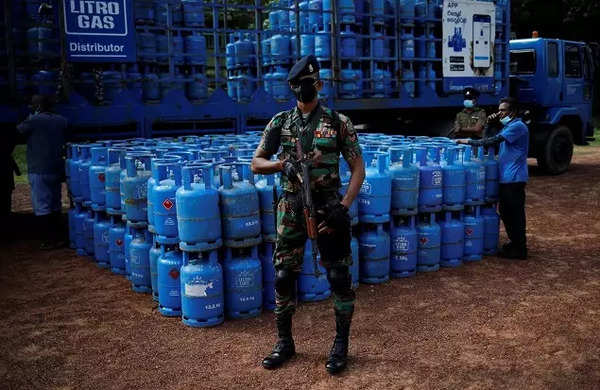
An armed soldier stands guard next to domestic cooking gas cylinders ahead of their distribution, amid the country’s economic crisis, in Colombo
With this contribution, WFP will purchase rice for daily free school meals and will also distribute rations including essential items to vulnerable households.
Prime Minister Ranil Wickremesinghe announced this week that Sri Lanka would face a severe food shortage.
He advocated the use of unused state land for cultivation as a mitigation measure.
In line with India’s Neighborhood First policy, New Delhi has this year provided support worth over $3.5 billion to the people of Sri Lanka to help them overcome their current hardships.
End of talks between Sri Lanka and the IMF on May 24
The ongoing discussion between the International Monetary Fund (IMF) and Sri Lanka, to help ease the economic situation, will end on May 24.
IMF spokesman Gerry Rice at a virtual IMF briefing said technical talks between Sri Lanka and the IMF over a potential lending program will end on May 24.
He said the agency was closely monitoring events unfolding in the crisis island nation.
The IMF spokesperson stressed that the IMF remains committed to helping Sri Lanka and will help resolve the current economic crisis.
(With contributions from the agency)