Sri Lanka seeks to boost electric car remittances
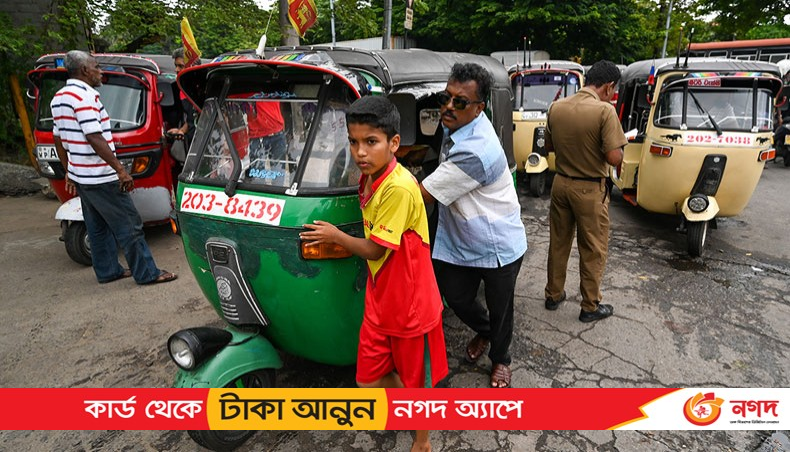
Motorists queue along a street to buy fuel at the Lanka IOC gas station in Colombo on August 1, 2022. — AFP archive photo
Sri Lanka on Tuesday offered its foreign workers the right to buy duty-free electric vehicles to encourage them to send money home and boost the cash-strapped country’s depleted foreign exchange reserves.
The island nation banned vehicle imports in March 2020 as the coronavirus pandemic began to hit its finances, culminating in the president’s flight and resignation last month.

But in an effort to woo the more than two million Sri Lankans employed overseas, they will be exempted from the ban and allowed to bring duty-free electric cars and motorbikes.
Prior to the ban, fees would have ranged from around $5,000 to nearly $50,000, depending on the model.
“We are offering this unprecedented tax relief to encourage our expatriate community to send foreign currency home through the legal banking system,” Foreign Employment Minister Manusha Nanayakkara told reporters after Monday’s cabinet decision.
Overseas workers will only be able to use half of their remitted funds for the purchase, which can be worth up to $65,000, he added, while those who sent home smaller quantities can purchase tax-free household appliances at the airport.
But foreign workers will have to pay their earnings through official channels to qualify for the offer – and this will see them converted into Sri Lankan rupees at official rates.
Expats have been known to use informal means to send money home due to better exchange rates, with the country’s central bank accused of keeping the rupee artificially overvalued.
Overseas remittances, once a key source of foreign exchange for the economy, fell more than 50%, from $3.3 billion in the first half of 2021 to $1.6 billion in the same period this year.
The financial crisis has forced Sri Lanka to default on its $51 billion foreign debt and open bailout talks with the International Monetary Fund, while essential goods such as fuel and medicine are in dire need.