Sri Lanka’s new president appoints his predecessor’s cabinet
Last Friday, Sri Lankan President Ranil Wickremesinghe appointed virtually the same cabinet of 18 ministers as his predecessor, Gotabhaya Rajapakse, saying there will be no change in the government’s agenda. In response to the country’s unprecedented economic and political crisis, he will impose the austerity measures demanded by the International Monetary Fund (IMF) and brutally suppress any opposition.
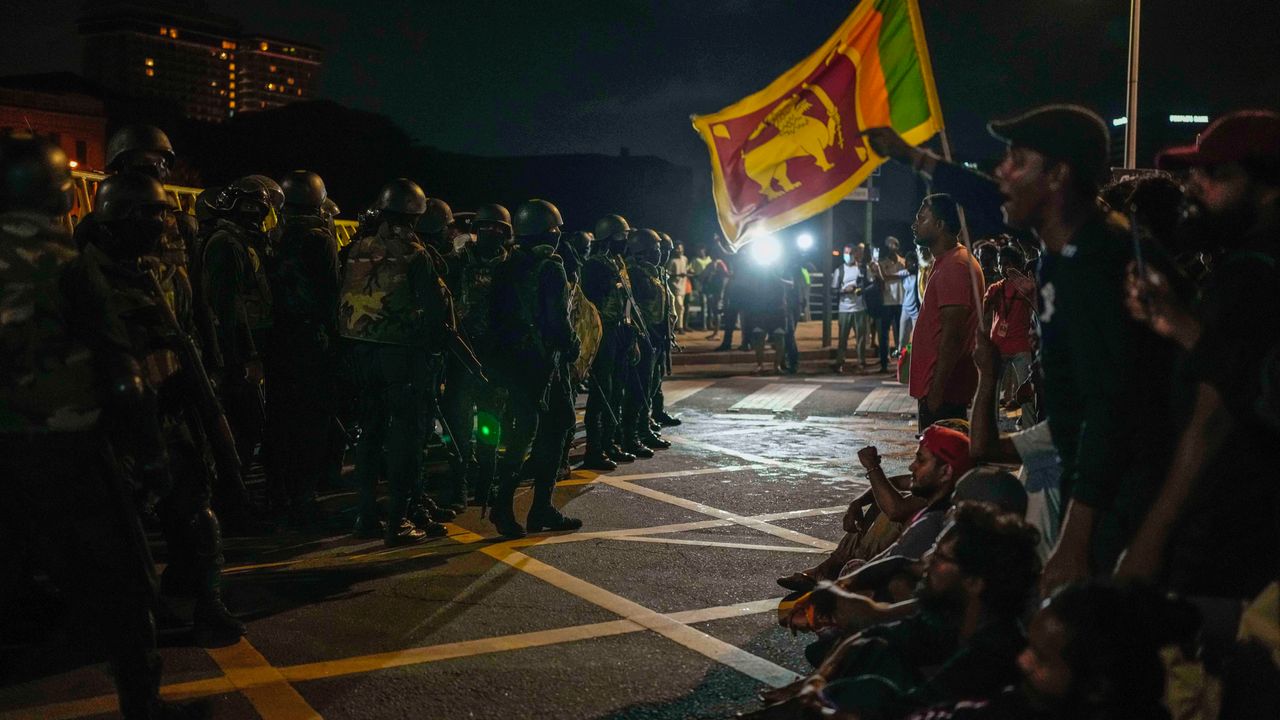
Just before appointing the cabinet, in the early hours of Friday, Wickremesinghe gave the go-ahead for a violent crackdown on unarmed and anti-government protesters at Galle Face Green in central Colombo, demanding his resignation. Thousands of soldiers and police attacked protesters and journalists and demolished tents and makeshift structures. Galle Face Green has been the main site of protest during the three months of mass strikes and demonstrations, fueled by extreme shortages and soaring prices of basic necessities, which forced Rajapakse to flee the country and resign .
Wickremesinghe was named “interim president” by Rajapakse as he fled, then installed as president in a parliamentary vote last week. Wickremesinghe, a longtime right-wing political hack known for his pro-US and pro-IMF loyalties, has no popular support and was dependent on the votes of Rajapakse’s Sri Lanka Podujana Peramuna (SLPP). He assumed the powerful ministerial posts of defense and finance, as well as the vast autocratic powers of the executive presidency.
As prime minister, Wickremesinghe appointed Dinesh Gunawardane, a close confidant of the Rajapakse brothers and House parliamentary leader who has held senior ministerial posts in SLPP-led governments. Gunawardane, who entered parliament in 1983, is the leader of the Mahajana Eksath Peramuna (MEP), a Sinhalese chauvinist party created by his father Philip Gunawardene, a renegade from the Trotskyist movement in the 1940s.
Gunawardene succeeds Wickremesinghe who was appointed prime minister in May after Mahinda Rajapakse was forced by mass strikes to step down. The only other change in the composition of the cabinet is the omission of the former foreign minister, GL Peiris, who refused to support the choice of the Rajapaks of Wickremesinghe as president. Instead, Peiris openly called on the SLPP to vote for one of its own lawmakers, Dallas Alahapperuma, in last week’s parliamentary vote.
The Rajapaks have strongly backed Wickremesinghe, even though he is the only parliamentarian from the rump United National Party (UNP), as the political figure most likely to carry out the anti-worker agenda demanded by the ruling class. He also undoubtedly had strong support from the country’s business elite, US imperialism, the IMF and Sri Lanka’s international creditors.
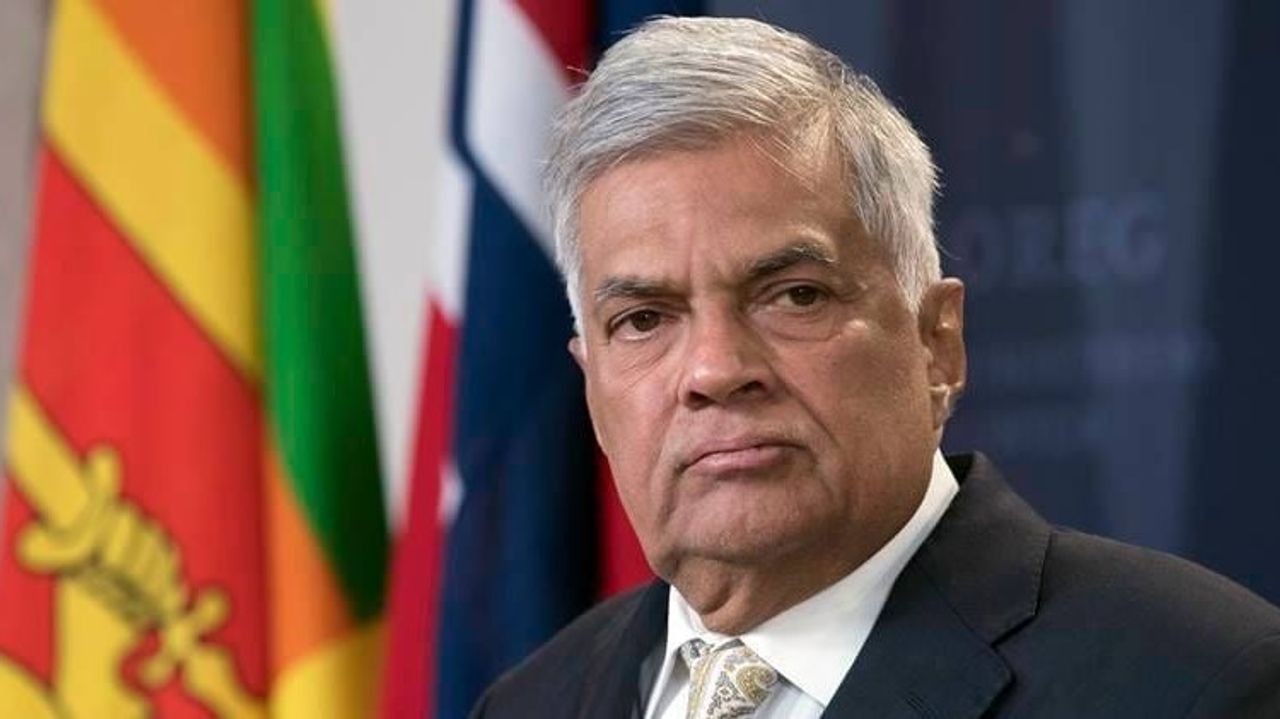
Ali Sabry, personal lawyer and trusted confidant of Gotabhaya Rajapakse, has been appointed foreign minister. He was Minister of Justice in the Rajapakse government and then briefly Minister of Finance in April.
According to media reports, Wickremesinghe told the first cabinet meeting that the security forces are empowered to uphold the constitution and create an environment for people to live without fear. It is a commitment to the ruling class, not the workers, that the government will do whatever is necessary to protect the wealthy, their property and bourgeois rule. The attack on Galle Face Green protesters on Friday was meant to underline that promise.
Wickremesinghe had already declared a state of emergency which gives the army broad powers to ban demonstrations, arbitrarily arrest and detain people and carry out searches. He issued another decree on Friday, deploying the army across the island to maintain “public order”.
On Friday evening, Wickremesinghe, along with the Inspector General of Police and Foreign Ministry officials briefed diplomats based in Colombo “unofficially”. This followed token statements of concern from some diplomats, including US Ambassador Julie Chung, over the morning raid on protesters. These “concerns” were not for the protesters, but rather that the crackdown could cause further widespread popular unrest.
The social crisis facing workers is terrible. Annual inflation has reached almost 60% and there are chronic shortages of essential food, fuel and medicine. A recent FAO report revealed that “6.3 million people are food insecure, while an additional 6.7 million people do not consume acceptable dietary foods in June” in Sri Lanka.
Wickremesinghe adamantly defended the military’s actions, apparently asking the assembled diplomats whether “protesters could illegally occupy the office of the president in their respective countries”. He called on diplomats “to check with relevant officials when making statements, as statements based solely on social media could harm Sri Lanka’s image.”
Wickremesinghe tries to disguise his regime as a multiparty government. Prime Minister Gunawardane has been tasked with negotiating with opposition parties and, if one or more are willing to join the government, the cabinet could grow from the current 18 members to 25 or more with parliamentary approval. Wickremesinghe is desperate to present a united political front for the brutal measures the government will implement.
The Samagi Jana Balawegaya (SJB), led by opposition leader Sajith Premadasa, and the Sri Lanka Freedom Party (SLFP), led by former president Maithripala Sirisena, had indicated their willingness to join a multi-party government based on what was offered. However, last Friday’s attack on protesters has prompted them to keep their distance for now.
Premadasa said last weekend: “We are ready to play a role in government through (parliamentary) commissions, but we have no intention of accepting ministerial portfolios.” After meeting with some union leaders, he announced that he would set up a national council on Tuesday comprising representatives of unions and civil organizations which will operate from his office.
All government and opposition parties are determined to implement the IMF’s austerity program, but fear the reaction of the working class and rural masses to the intolerable conditions they face.
Over the past three months, opposition parties and trade unions have helped undermine the mass popular uprising and sabotage the independent intervention of the working class. All supported the formation of a multi-party caretaker government as a means of keeping workers chained to the political establishment and blocking a political struggle against the source of the social crisis – the capitalist system. A “national council” is just a variant of the same political trap.
The Socialist Equality Party (SEP) warned the working class against Wickremesinghe’s preparations for bloody repression and stressed the importance for workers and peasants to create action committees, independent of the trade unions and opposition parties, to fight for their social and democratic rights.
In its July 20 statement, the SEP launched a campaign for a Democratic and Socialist Congress of Workers and Rural Masses to provide the means to politically oppose the agenda of the ruling class. Such a congress, he said, “provides a political strategy for the working class to consolidate its forces, win the active support of the rural masses and lay the foundations of its own power through a workers’ and peasants’ government committed to restructuring society on socialist lines. The sooner the workers and the rural masses engage in political struggle to form action committees, the sooner a congress of workers and rural workers can be convened to oppose the disaster that the classes are preparing. We offer all political assistance to those who want to undertake this fight.