The IMF in “online talks” with Tunisia for the necessary reforms – Economy
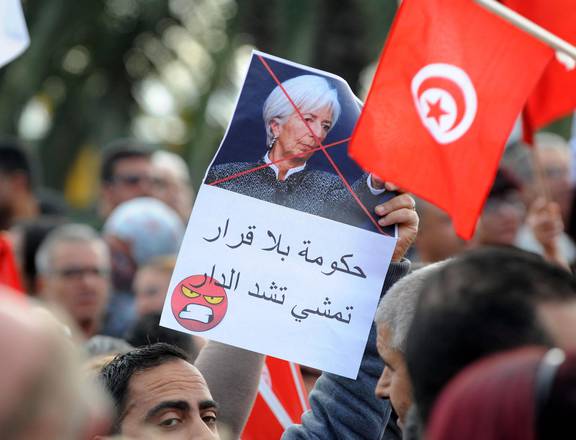
(ANSAmed) – TUNIS, FEB 18 – Tunisia has started preliminary discussions for possible talks with the International Monetary Fund (IMF) in hopes of obtaining several billion dollars to bail out its heavily indebted economy, suffering from inflation and rampant unemployment.
IMF representatives have been conducting an “online visit” since Monday, which consists of “technical discussions” with ministers on “the reforms to be implemented to get the country out of the crisis”.
Since the uprising that toppled dictator Zine el Abidine Ben Ali in 2011, Tunisians have experienced a decade of crisis.
Over the past 11 years, Tunisia’s pro-capita GDP has fallen by 20% and purchasing power by 35%, under the effect of a 40% devaluation of the dinar.
Two previous IMF loans – one worth $1.7 billion in 2013 and the other $2.8 billion in 2016 – failed to fix the country’s finances.
The COVID pandemic plunged the country into crisis: the unemployment rate rose from 15.1% to 18.4% and inflation exceeded 6% on an annual basis.
According to Tunisian economist Ezzedine Saidane, the country’s main challenge is to control public debt, which has reached “an unprecedented level, more than 100% of GDP” against 41% in 2011.
This weighs on the country’s credibility abroad as a country capable of repaying its debts and honoring its obligations.
The IMF has publicly expressed its concerns about Tunisia’s deficit due to the weight of the public sector (more than 16% of GDP).
“It’s an economy that needs very deep structural reforms, in particular to improve the business environment,” French economist and outgoing IMF envoy to Tunisia Jérôme Vacher told AFP last month.
The fund is likely to grant a loan to Tunisia on the condition that it cut public sector wages “The public service wage bill is one of the highest in the world,” Vacher said.
“In a country of 12 million people, more than half of public spending goes to paying the salaries of around 650,000 civil servants – a figure that does not include the salaries of local authorities,” AFP reported in January. “This figure also does not include large Tunisian state-owned companies, which often hold monopoly positions in all sectors, from telecommunications to air transport, and employ at least 150,000 people at state expense.” “All of this drains resources that the state could invest in education, health and infrastructure,” Vacher told AFP.
“The IMF has long called for a restructuring of Tunisia’s system of commodity subsidies such as gasoline and staple foods, which essentially sees more public funds distributed to the biggest consumers – a system that Vacher called a ‘unfair,’ the French news agency said. reported. “The lender recommends removing subsidies and instead creating a system of cash payments targeted to groups in need.” Tunisian President Kais Saied granted himself unlimited powers in July, when he enjoyed broad support and was still popular according to polls.
However, “no politician can get away with cutting subsidies,” said Romdhane Ben Amor of the Tunisian Forum for Economic and Social Rights.
Many subsidized goods are already hard to come by, he said, and public services, especially health care and education, are in shambles.
Further budget cuts are not the solution, he said.
The powerful UGTT union, very wary of foreign loans, is also expected to be against harsh austerity measures.
(ANS Amed).